This artwork explores how the digital era reshapes human relationships, behaviors, and perceptions of reality. Drawing inspiration from internet culture, social media movements, virtual identities, and online entertainment. I investigates the paradox of modern connectivity: a world where people are constantly connected yet increasingly isolated.
Emotion Digital Bites from Love in The Age of Piracy series
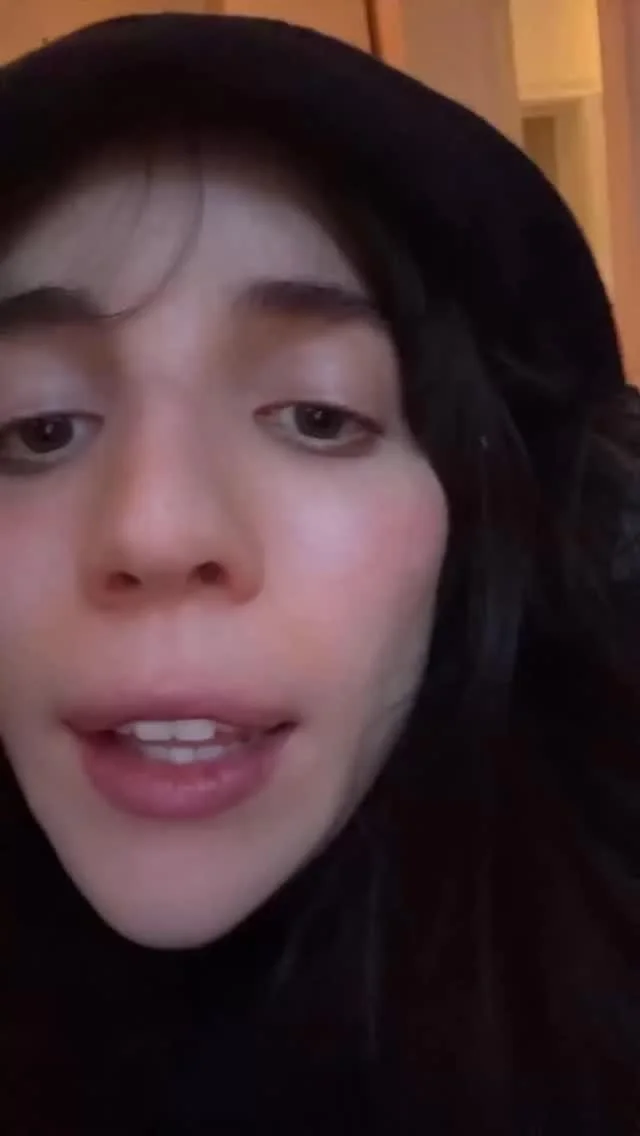

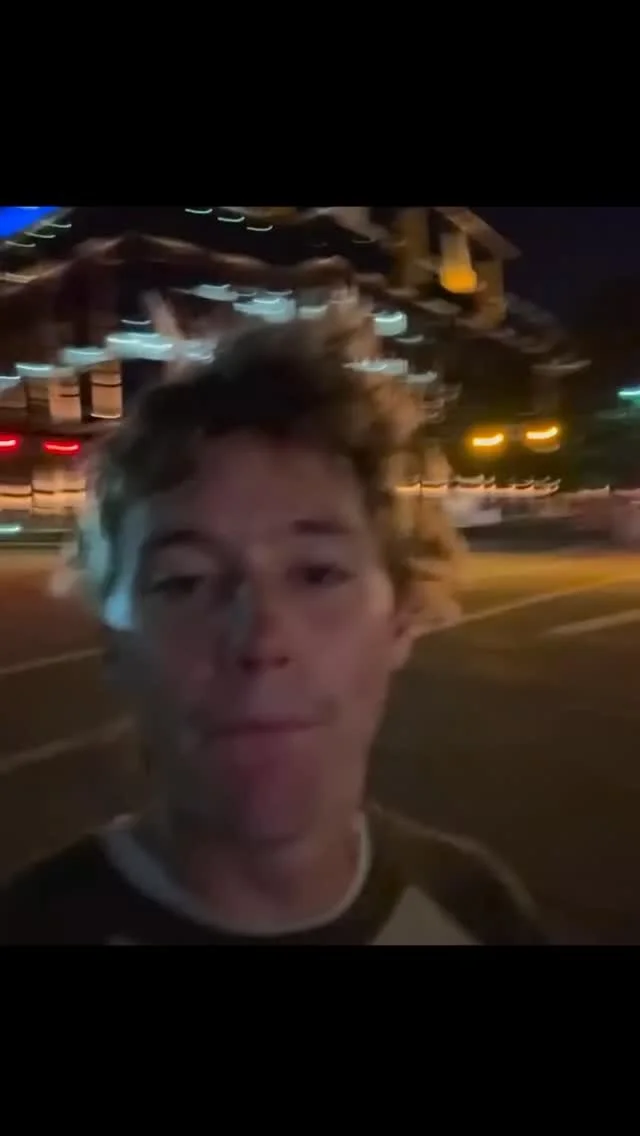
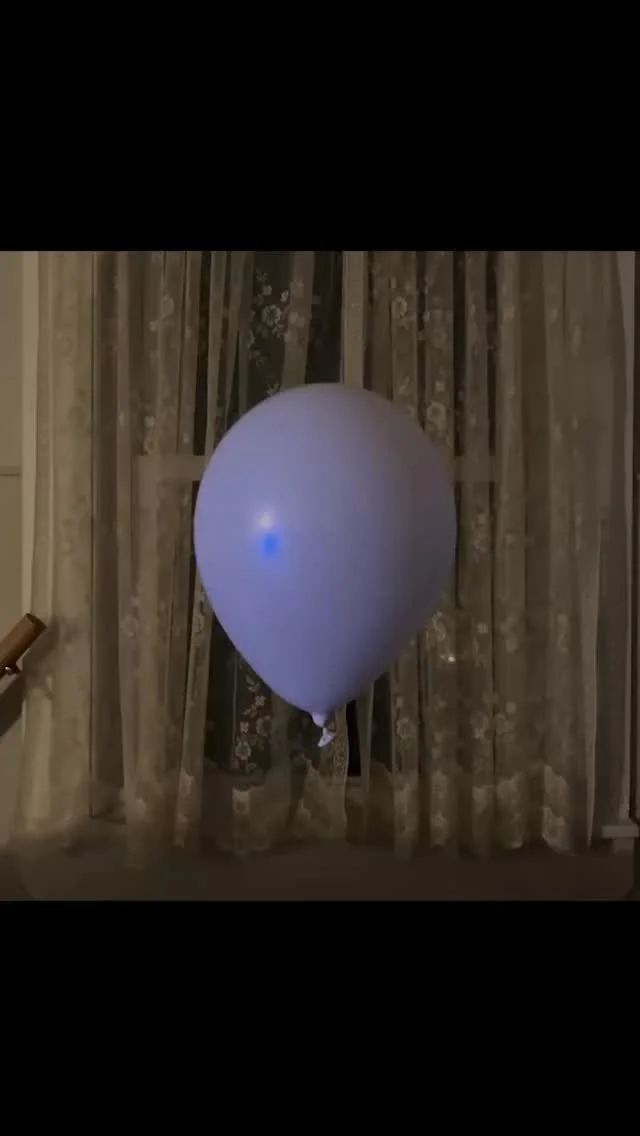
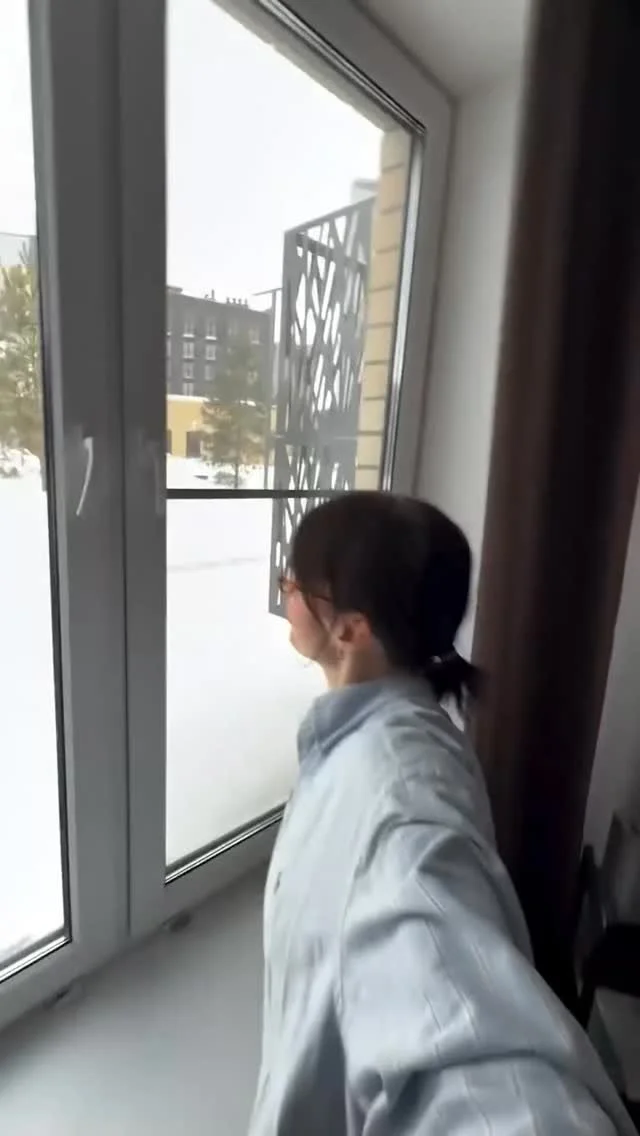
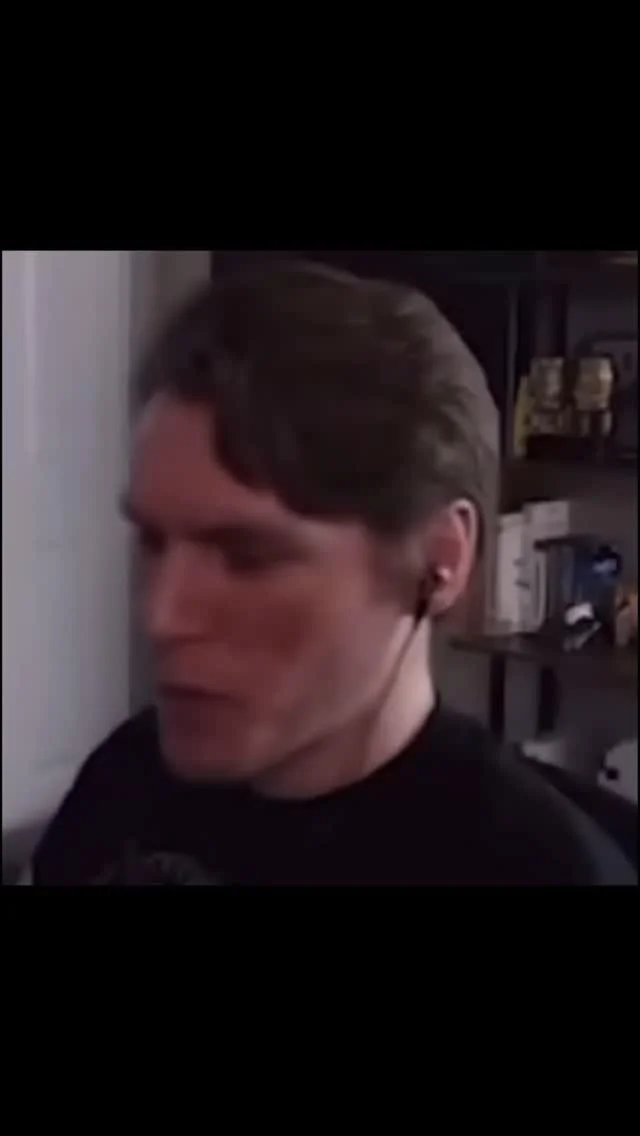
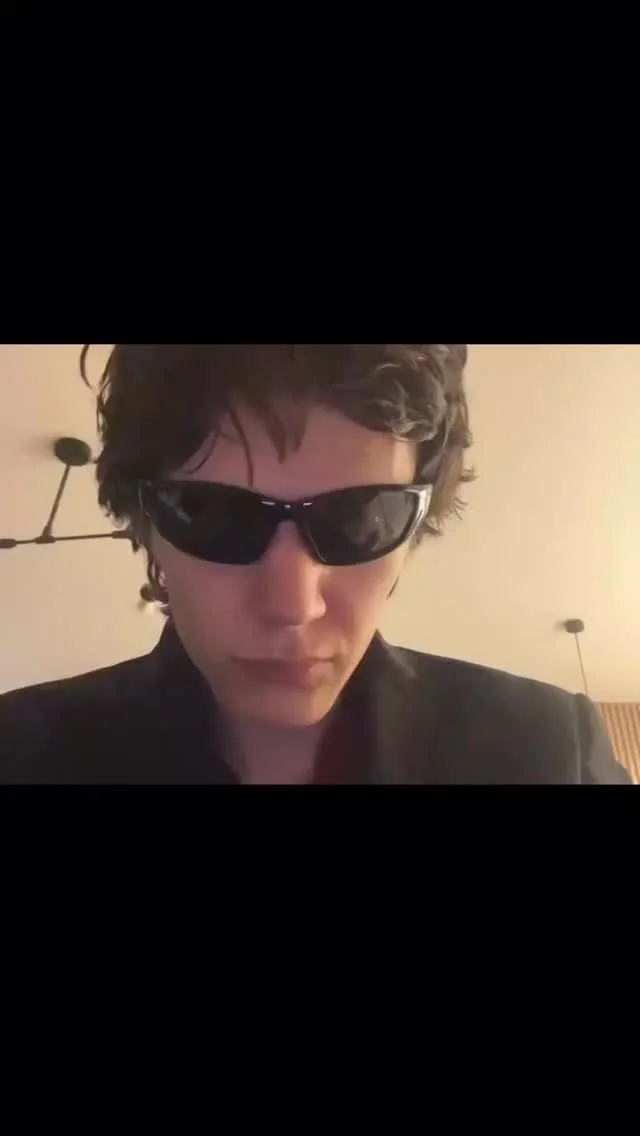

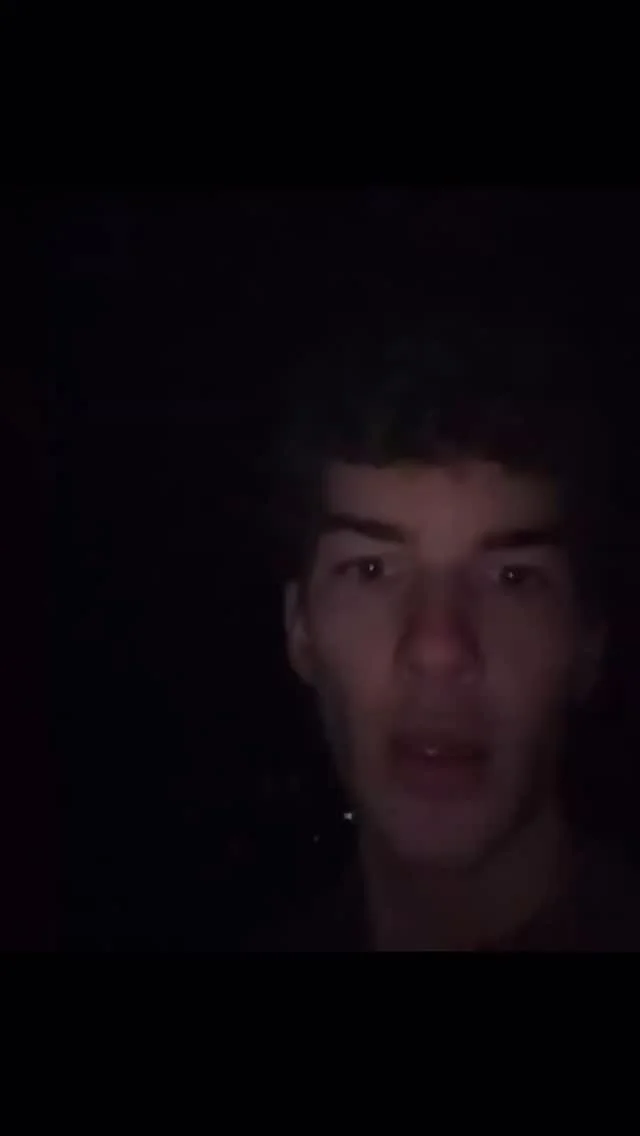
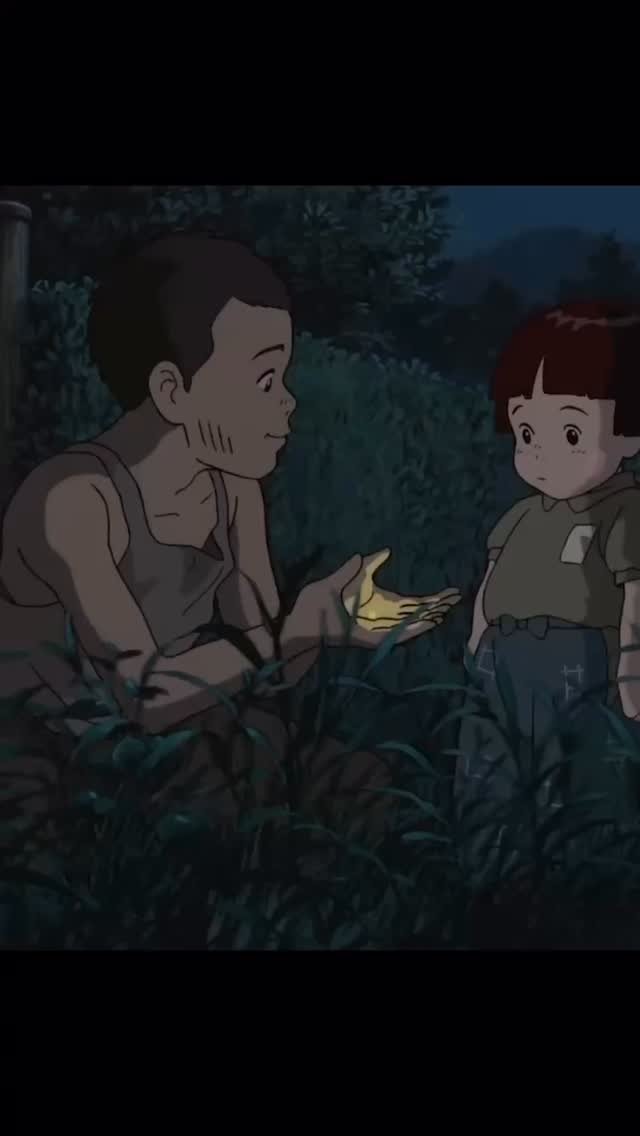
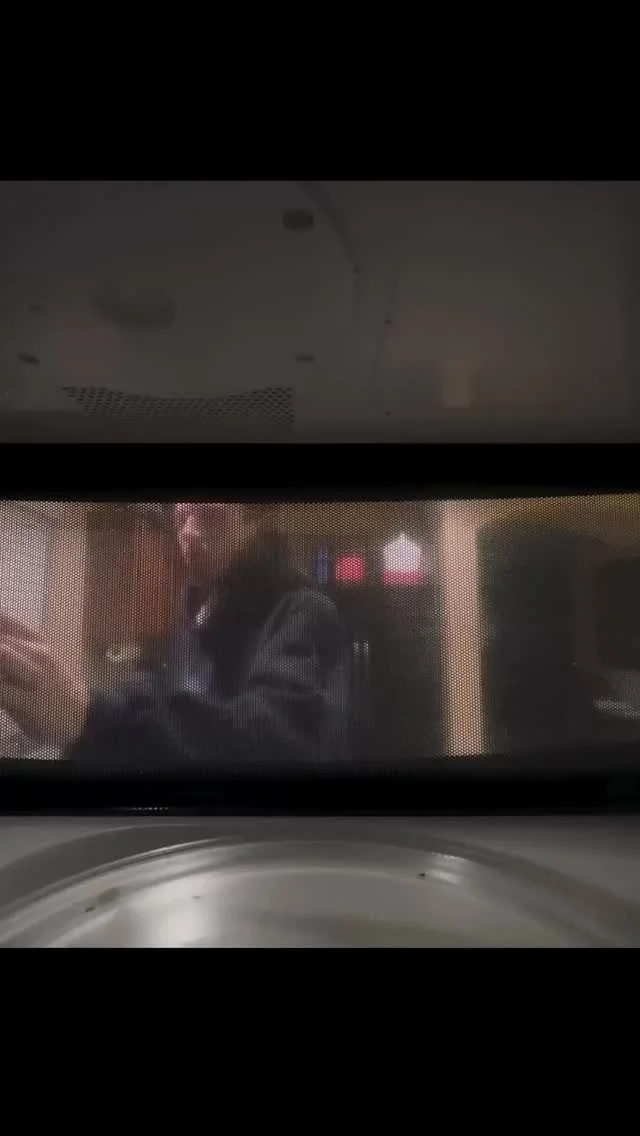

This project embraces the reality of the contemporary attention span rather than resisting it. If modern culture communicates in snippets, reels, and fleeting moments, then Emotion Digital Bites asks: can art do the same?
Each video functions as a small emotional capsule. There is often no narrative, no lesson, and no explicit meaning beyond the feeling generated by the collision of image, rhythm, and sound. The works are intentionally immediate. They are designed to be felt before they are understood.
The project emerged from the observation that the internet has become our primary emotional landscape. It is where we learn about love, heartbreak, longing, desire, loneliness, and connection. We experience other people's emotions through screens and increasingly express our own through borrowed images, captions, memes, and clips. The internet is not merely a tool for sharing emotions, it has become one of the places where emotions themselves are produced and performed.
By assembling video collages from publicly shared content alongside my own footage, I attempt to intensify these feelings without naming them directly. The works invite viewers to recognise an emotion before they can label it.
At the same time, the series explores questions of authorship, ownership, and digital piracy. Every image originates from material that already exists within the endless circulation of online content. The source material is accessible, reproducible, and endlessly shareable. In that sense, the work belongs to everyone and no one at all. Anyone could have made these videos, just as anyone can consume them, remix them, or absorb them into their own digital memory.
Browser's Gold from Love in The Age of Piracy series
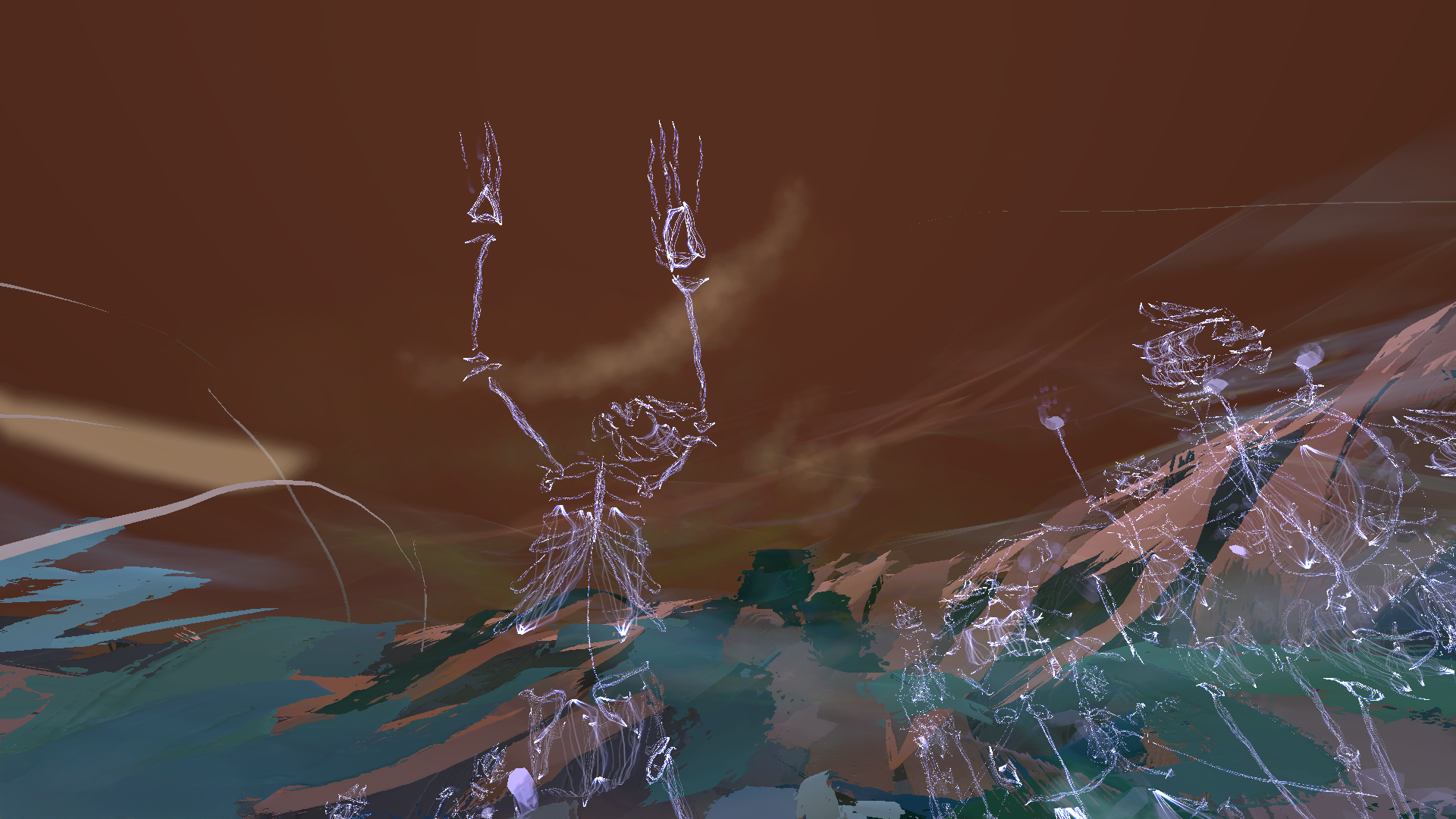
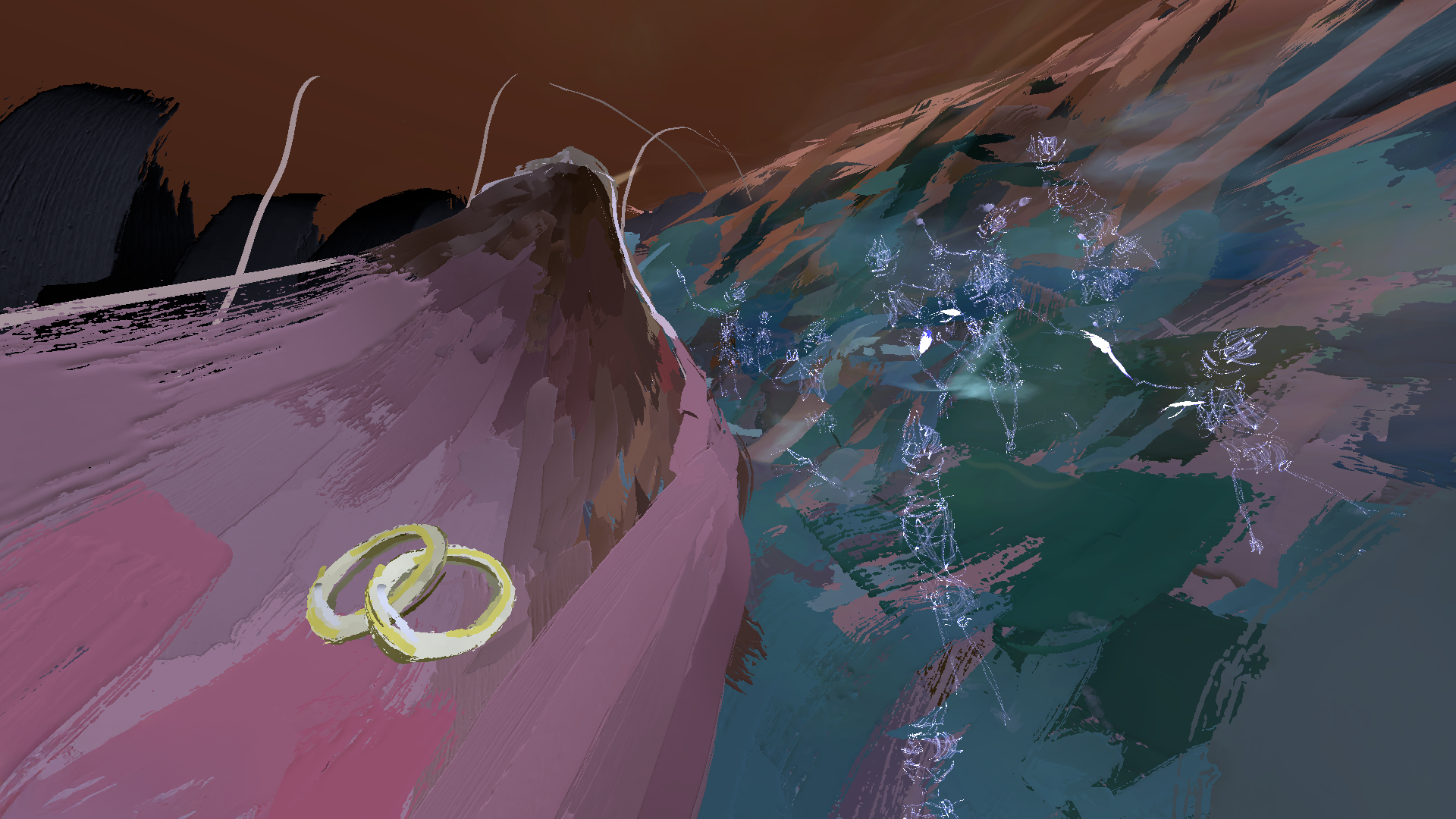
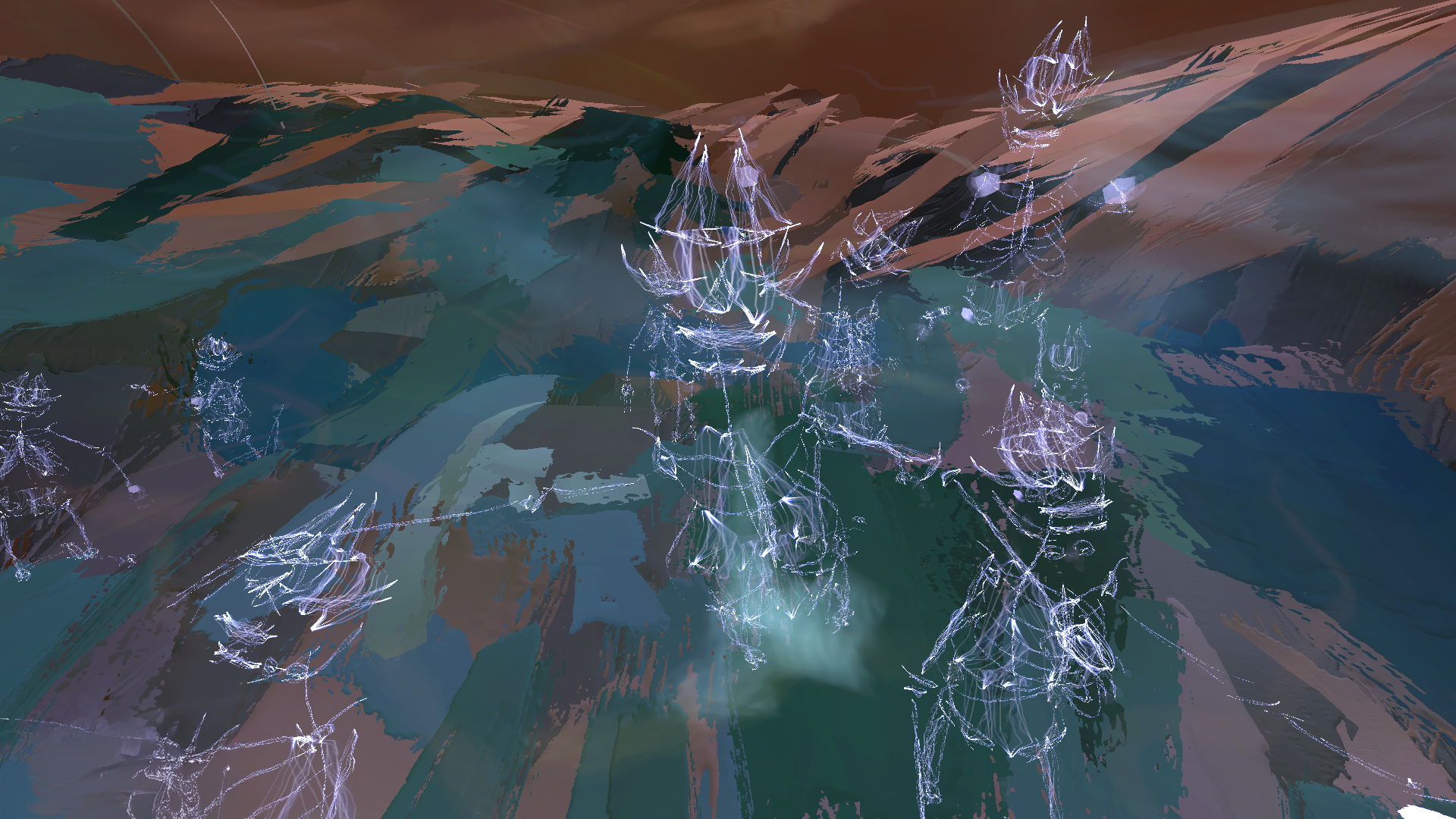
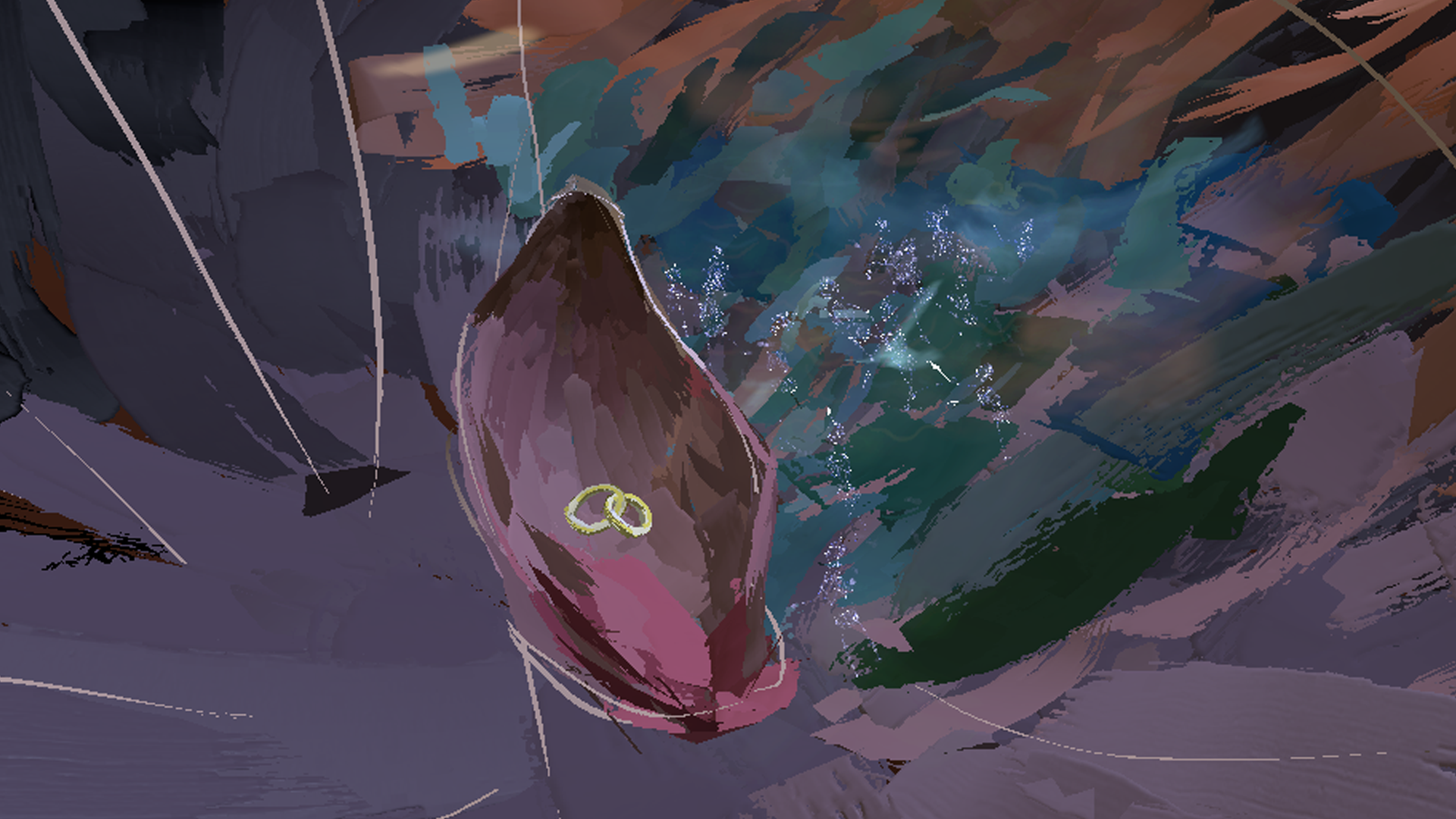
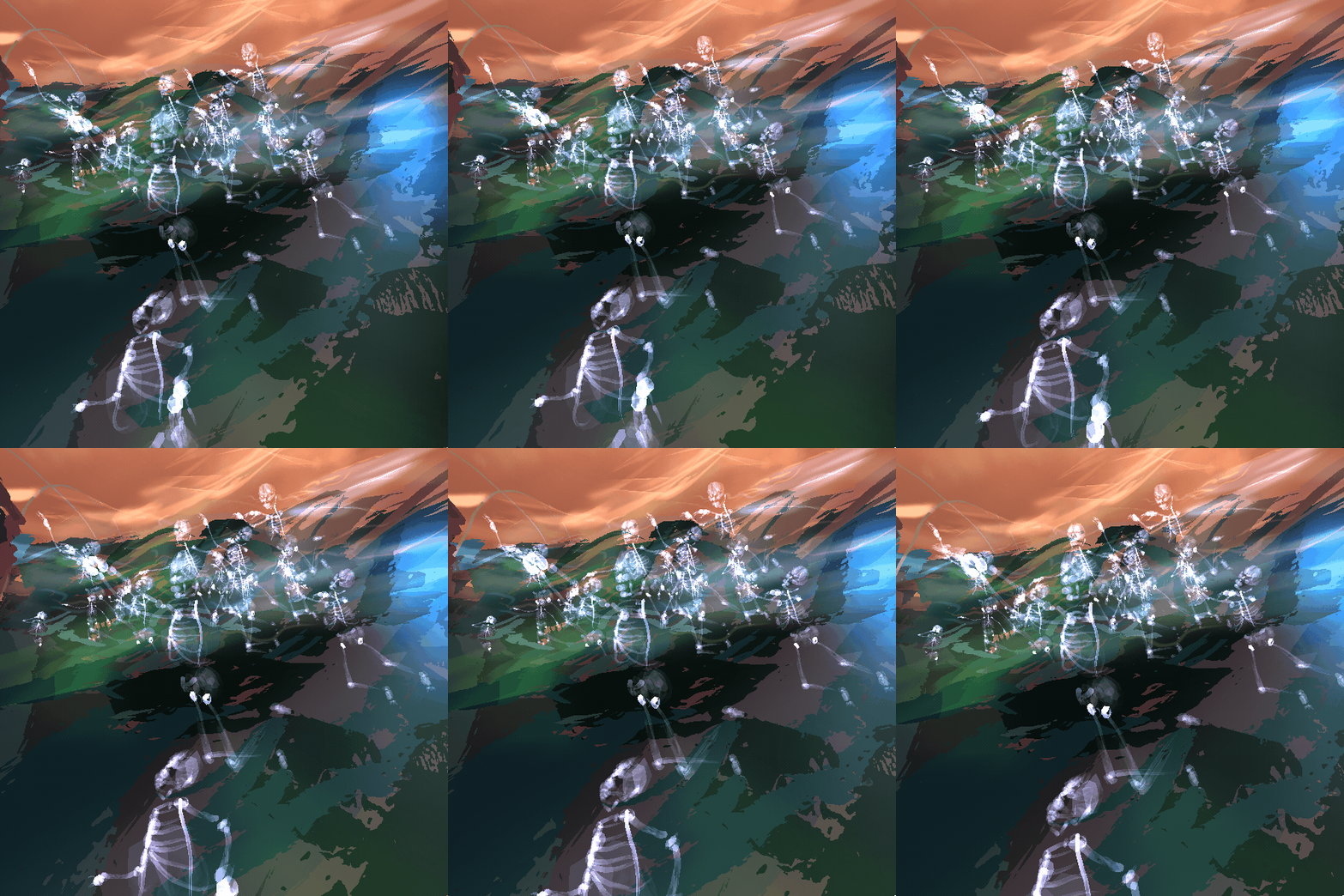
This VR painting is an allegory for contemporary love and commitment. The boat carries no passengers, only two engagement rings - a symbol of devotion, family, and the promise of a shared future. Yet these symbols drift alone across a sea filled with ghosts.
The skeletal pirates represent the digital afterlife of romance: internet users, trolls, cynics, and anonymous voices that populate our online world. They are the drowned sailors of the Information Age, reaching endlessly toward ideals they no longer believe in. Fed by a constant stream of statistics, cautionary tales, divorce rates, relationship advice, and viral stories of heartbreak, they circle the symbols of commitment with equal parts fascination and suspicion.
The choice of pirates is intentional. For me, piracy and the internet are inseparable cultural cousins. Historically, the sea was a place of exploration, self-discovery, and rites of passage. Today, that vast and unpredictable territory has largely been replaced by the internet. We navigate feeds instead of oceans, algorithms instead of stars. The modern voyage takes place through screens.
Browser's Gold asks what happens when our understanding of love is shaped less by lived experience and more by collective digital narratives. Are we protecting ourselves from disappointment, or are we allowing fear and cynicism to sink something valuable before it even reaches shore?
The work does not offer an answer. Instead, it presents love as a treasure adrift in a crowded digital ocean, still precious, still desired, but increasingly surrounded by ghosts.